




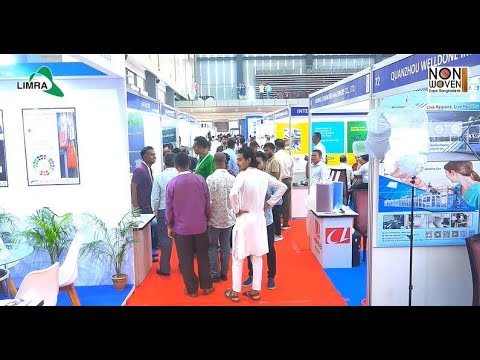
File photo
Nonwoven technology revolutionizes agriculture by providing smart fabrics for crop covers, mulching, and greenhouse shading, offering benefits like weed suppression (without chemicals), moisture retention, pest barriers, and temperature regulation, leading to increased yields, reduced water use, and a more controlled microclimate for healthier, faster-growing crops, even incorporating sustainable/biodegradable options.
Key Applications
Mulching & Weed Control: Acts as a barrier, preventing weed growth while allowing water/air to pass, reducing herbicide use.
Crop Covers (Frost/Insect Protection): Shields young plants and fruits from frost, intense sun, wind, and pests, extending growing seasons.
Greenhouse Enhancement: Regulates temperature, humidity, and light, improving efficiency and creating stable growing environments.
Soil Management: Prevents erosion, maintains soil structure, and helps retain moisture, reducing irrigation needs.
Fruit Protection: Specialized nonwoven bags protect individual fruits (like peaches, mangoes) from damage and pests while allowing breathability.
Hydroponics: Used in capillary mats for efficient water and nutrient distribution in soilless systems.
Advantages for Farmers
Increased Yields & Quality: Better microclimates promote faster growth and healthier produce.
Reduced Costs: Less water, fewer pesticides, and lower labor costs for weeding.
Sustainability: Biodegradable options available; reduces chemical reliance.
Customizable: Fabrics can be engineered for specific needs (UV resistance, water permeability, air flow).
Materials & Innovations
*Made from synthetic (polypropylene, PET) or natural fibers.
*New developments include using agricultural waste like lotus fibers for eco-friendly, multifunctional nonwovens.
-SZK




Comment Now